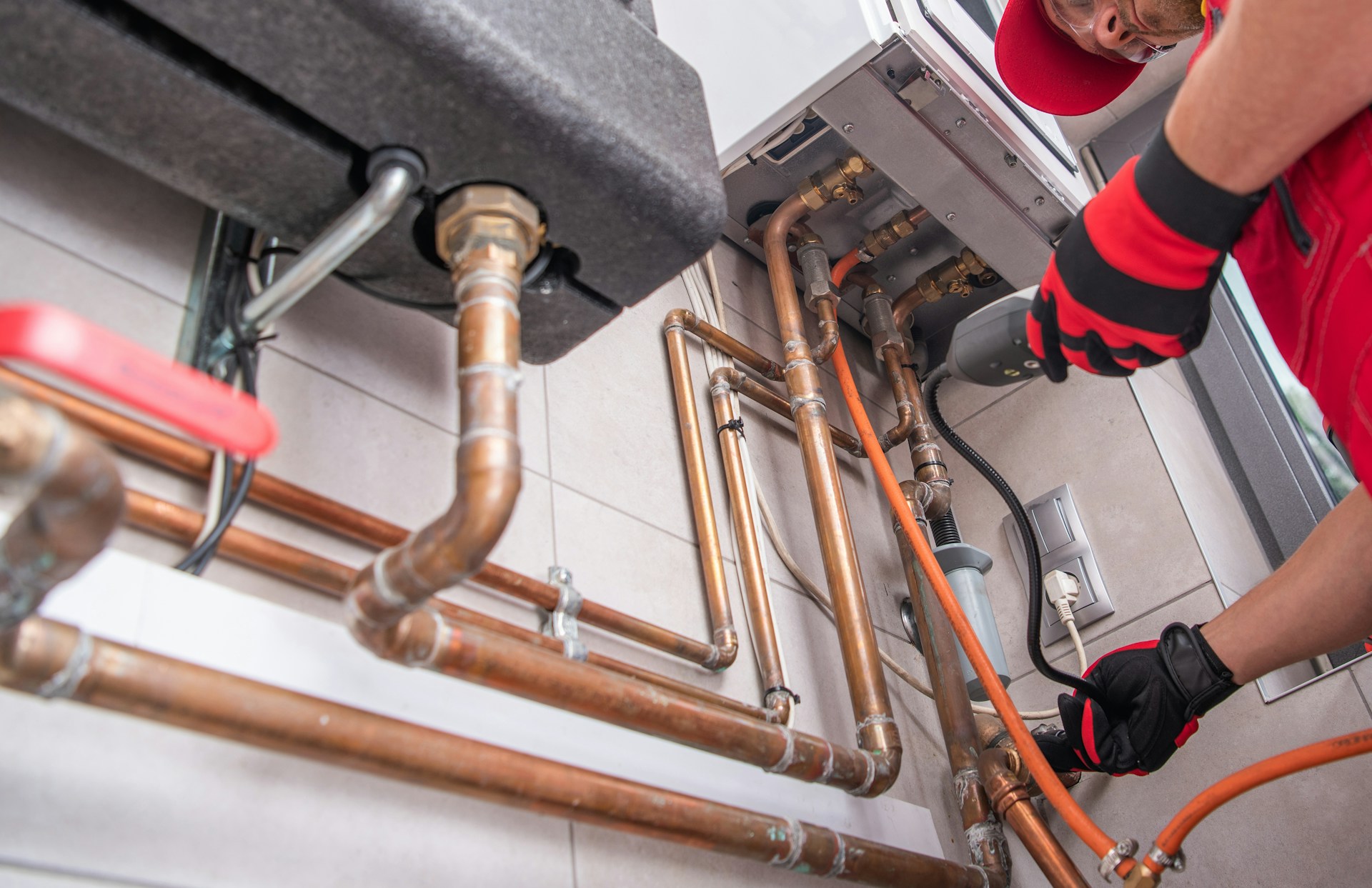
A quiet home can become stressful when essential equipment suddenly stops working. Understanding what to do when a home system fails helps homeowners respond confidently and avoid unnecessary expenses. Whether a furnace stops heating or a pipe begins leaking, the first decisions matter. A thoughtful response protects property, limits disruption, and creates a clearer path toward restoring normal household operations.
Recognizing the First Signs of Home System Failure
Most household systems show warning signs before they stop functioning completely. Unusual noises, inconsistent temperatures, slow drainage, and rising utility bills often signal developing problems. However, homeowners sometimes overlook these changes because the equipment continues operating.
A failing HVAC unit might produce weak airflow before losing its heating or cooling capacity. Similarly, plumbing problems may begin with minor pressure changes or occasional moisture around connections. Recognizing these patterns helps homeowners arrange inspections before a small defect becomes a major emergency.
Early detection also creates more repair options. Technicians can often address isolated component failures without replacing an entire system. Consequently, monitoring equipment performance can reduce both repair costs and household disruption.
Taking Immediate Action During a Home System Breakdown
When equipment fails unexpectedly, safety should guide the initial response. Homeowners should identify potential hazards before attempting repairs or restarting malfunctioning equipment. For example, suspected gas leaks require immediate evacuation and contact with emergency services from a safe location.
Water leaks demand quick attention because moisture can damage flooring, walls, insulation, and electrical components. If safe, shutting off the main water supply can limit further damage. Meanwhile, electrical problems involving sparks, smoke, or burning odors require professional emergency assistance.
Avoid repeatedly resetting breakers or forcing equipment to restart. These actions may worsen underlying damage or create additional safety risks. Instead, document visible symptoms and contact a qualified technician for an appropriate assessment.
Understanding the Home Repair Assessment Process
Professional diagnosis determines whether a malfunction involves a minor component or a larger system failure. Technicians typically examine equipment condition, operating history, and visible symptoms before recommending corrective work. This assessment helps distinguish immediate repairs from broader maintenance concerns.
For instance, an air conditioner might stop cooling because of a failed capacitor or refrigerant-related problems. Although symptoms can appear similar, repair requirements and costs may differ considerably. Accurate diagnosis prevents unnecessary replacements and supports informed spending decisions.
Homeowners should request written estimates that explain labor, materials, and expected completion times. Comparing repair recommendations also helps identify whether replacement offers better long-term value. However, emergency conditions may require immediate action before you can obtain multiple estimates.
Managing Unexpected Home Repair Costs
Financial pressure often becomes the next challenge after technicians identify the problem. Unexpected home repair costs can include diagnostic fees, replacement parts, emergency service charges, and restoration expenses. Therefore, understanding the complete estimate matters more than focusing exclusively on the initial repair price.
Insurance coverage depends on the cause of damage and specific policy terms. Standard homeowners insurance generally excludes ordinary wear and tear, even when equipment fails without warning. However, certain resulting damages from covered incidents may qualify for reimbursement.
Homeowners should review warranties, maintenance agreements, and insurance documents before authorizing expensive work. Keeping service records can also support warranty claims and clarify previous maintenance. A dedicated emergency reserve provides flexibility when repairs cannot wait for the next paycheck.
Deciding Between Repair and Replacement
Not every broken system deserves immediate replacement. Equipment age, repair frequency, energy efficiency, and parts availability all influence the decision. A relatively new furnace with one defective component may remain economical to repair.
Conversely, an aging water heater with recurring leaks may present increasing financial and safety concerns. Replacement can sometimes eliminate repeated service expenses while improving reliability. Still, homeowners should compare installation costs against realistic expectations for continued equipment performance.
A qualified contractor can explain remaining service life and available replacement options. Ask about warranty coverage, operating expenses, and installation requirements before committing. This comparison turns an urgent purchase into a more deliberate investment.
Restoring Comfort and Preventing Future Breakdowns
Once repairs are finished, homeowners should confirm that the system operates safely and consistently. Request documentation describing completed work, installed components, and applicable warranties. Also, ask whether follow-up inspections or adjustments are necessary.
Preventive home maintenance becomes especially valuable after an unexpected failure. Regular inspections, filter changes, drainage checks, and equipment servicing can reveal problems before serious damage develops. Although maintenance cannot prevent every breakdown, it improves the chances of detecting avoidable issues.
Homeowners can strengthen preparedness by recording equipment ages, warranty dates, and service contacts. Keeping shutoff locations accessible also supports faster action during emergencies. These simple preparations reduce uncertainty when another household system develops trouble.
Ultimately, knowing what to do when a home system fails involves more than finding a repair technician. It requires safety awareness, financial planning, and careful evaluation of available solutions. With clear priorities and reliable professional guidance, homeowners can restore essential services while protecting their property’s long-term value.
A simple household response plan can clarify responsibilities during stressful failures. Family members should know whom to call and where essential controls are located. Practicing these steps occasionally helps everyone respond without unnecessary delays.